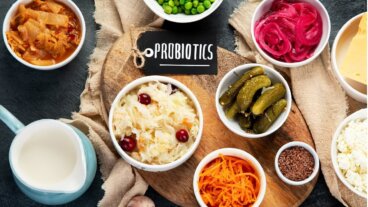
6 Foods That Will Help You Increase Your Serotonin Levels
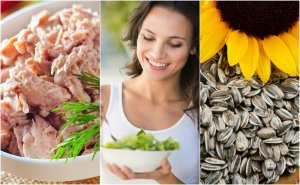

Reviewed and approved by the psychologist Bernardo Peña
There’s a wide variety of foods that, thanks to their nutritional quality, increase serotonin levels. This promotes emotional well-being.
Although there are many factors that intervene in the activity of this neurotransmitter, dietary habits have a positive influence on its balance.
The problem is that many people follow a diet that’s based in refined products full of fat, sugars and other harmful compounds. Although eating these foods can feel satisfying, the fact that they contain little to no nutrients means that they can even cause depression.
For this reason, consuming foods that increase serotonin production is beneficial for your health because it improves your mood.
Discover them here!
What is serotonin?
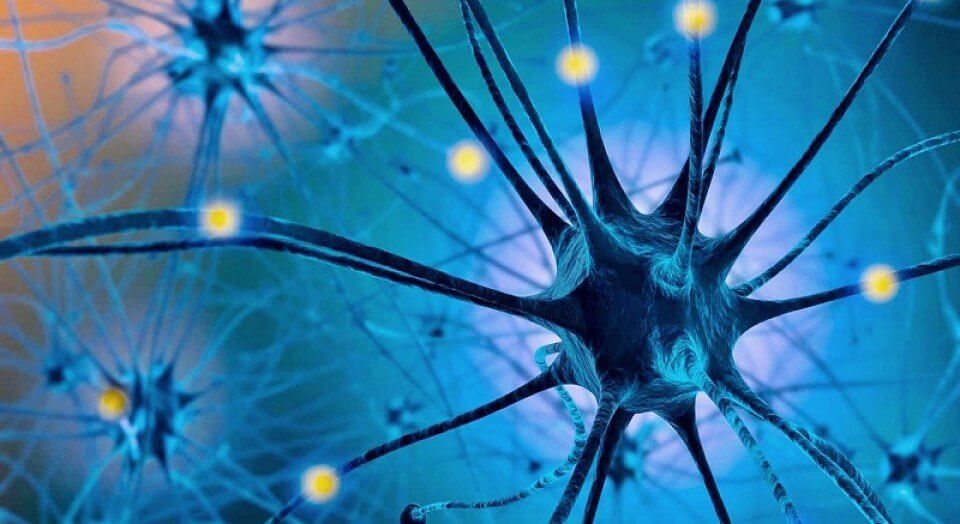
- The presence of serotonin in the body is related to the control of appetite and the regulation of sleep cycles.
- In addition, it also affects social behavior, sexual desire and memory.
Foods that increase serotonin levels
Now, we’ll take a look at the foods that contribute to achieving stable levels of serotonin. As you can imagine, this is especially useful for those who suffer from depression or stress.
In general, you can eat these foods regularly in your diet. This will provide your body with properties that will help your emotional health.
1. Turmeric
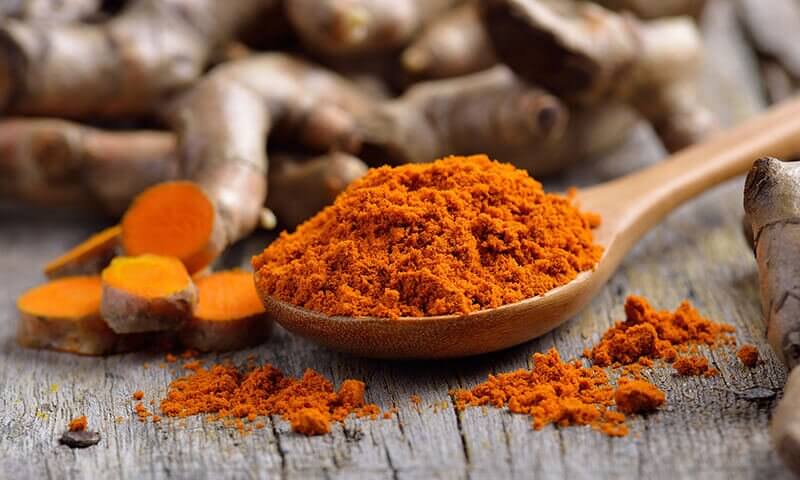
- Its essential nutrients support the processes responsible for segregating the happiness hormones: serotonin and endorphins.
- Then, this blocks the activity of the enzyme monoamine oxidase, which contributes to emotional imbalances.
2. Tuna
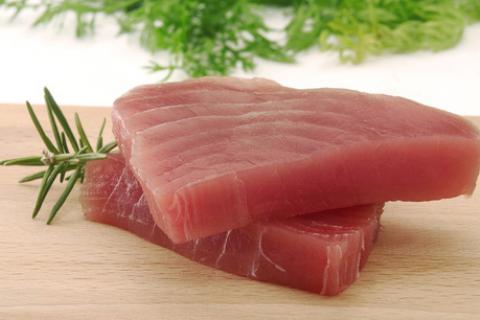
- First, tuna provides large amounts of B vitamins. These are necessary to regulate the activity of the nervous system.
- In addition, it contains omega 3 fatty acids. These are recognized for their ability to remove harmful lipids and reduce inflammation.
- Plus, it’s essential minerals improve the production of serotonin. In addition, they even increase energy levels in cases of depression.
3. Brewers’ yeast
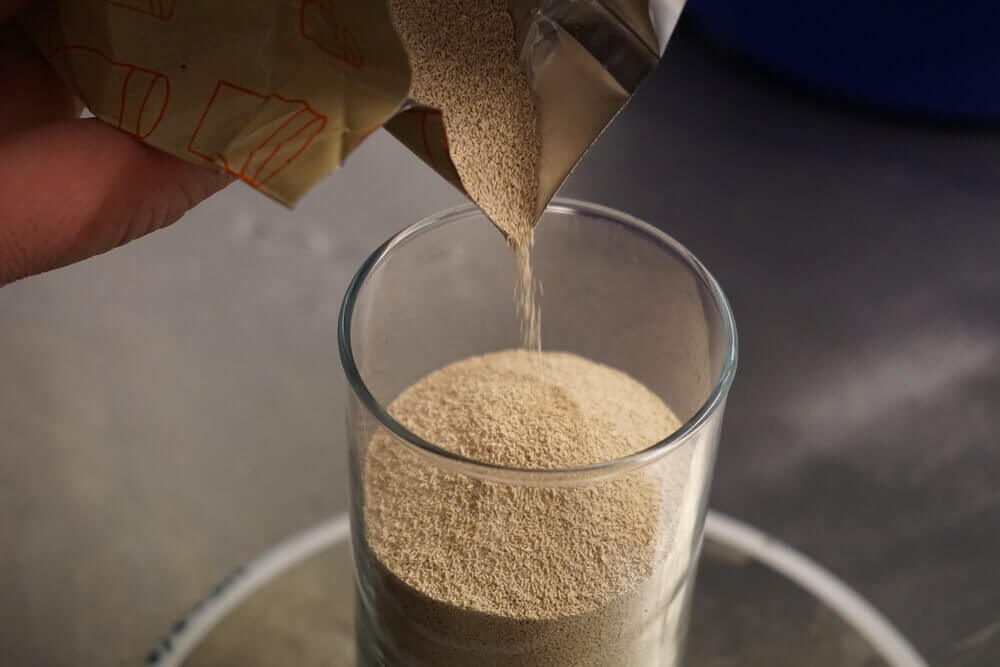
- First of all, brewer’s yeast is a significant source of B vitamins. These are necessary to strengthen the functioning of your brain and nervous system.
- In addition, it stimulates the production of serotonin and endorphins, chemical substances that brings pleasure and improves your well-being.
4. Avocados
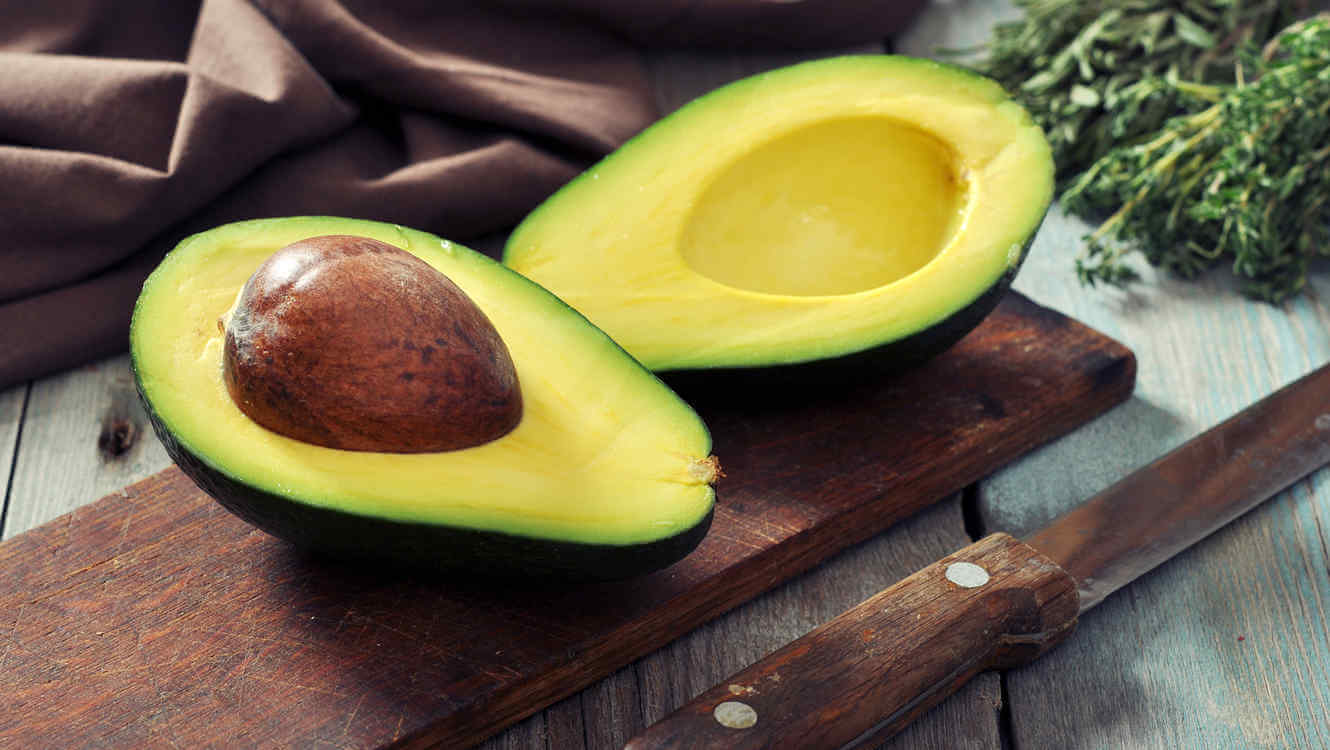
- Avocados are a source of magnesium and pyridoxine. These are necessary compounds for optimal serotonin production.
- In addition, it contains polyunsaturated fatty acids that increase energy levels as well as physical and mental performance.
5. Sunflower seeds
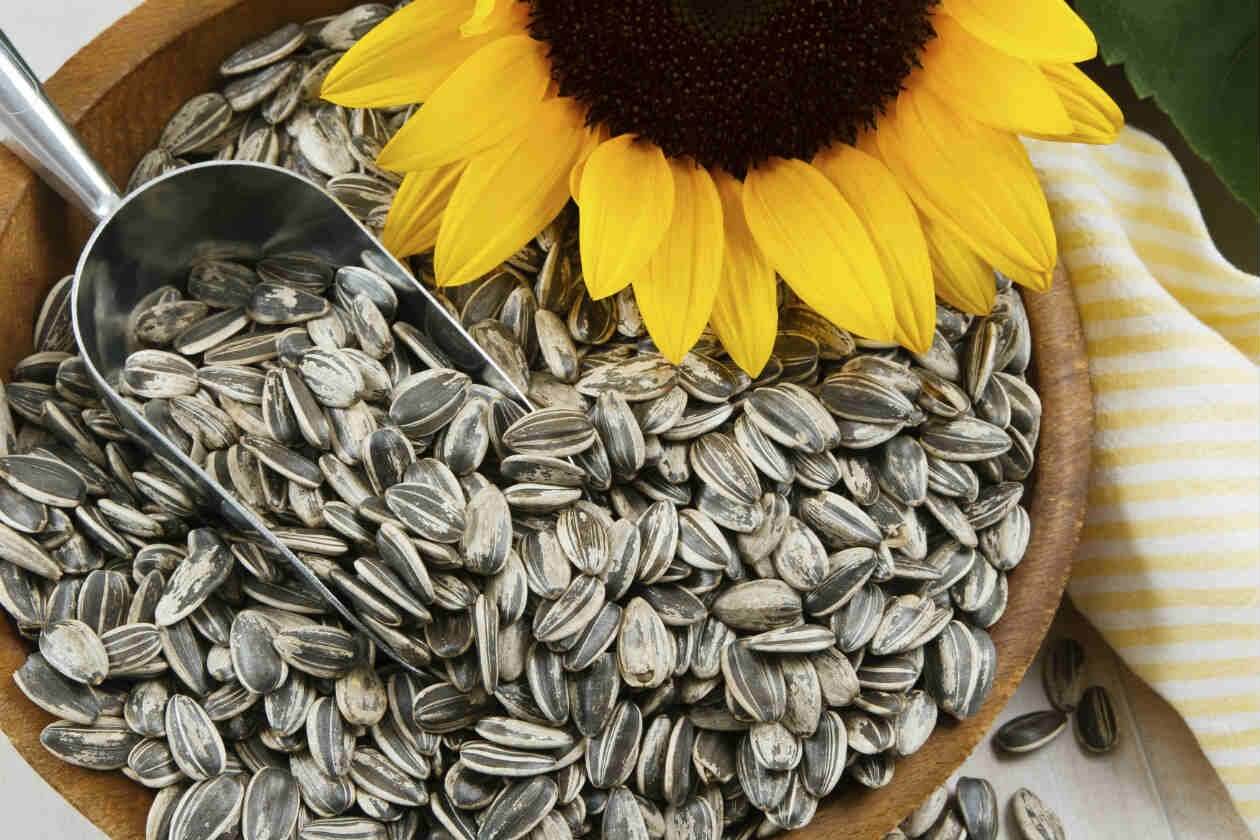
- First of all, they contain significant amounts of magnesium and zinc. These are minerals that support the balance of wellness hormones.
- Plus, their healthy fatty acids improve cardiovascular health and metabolism.
6. Bananas
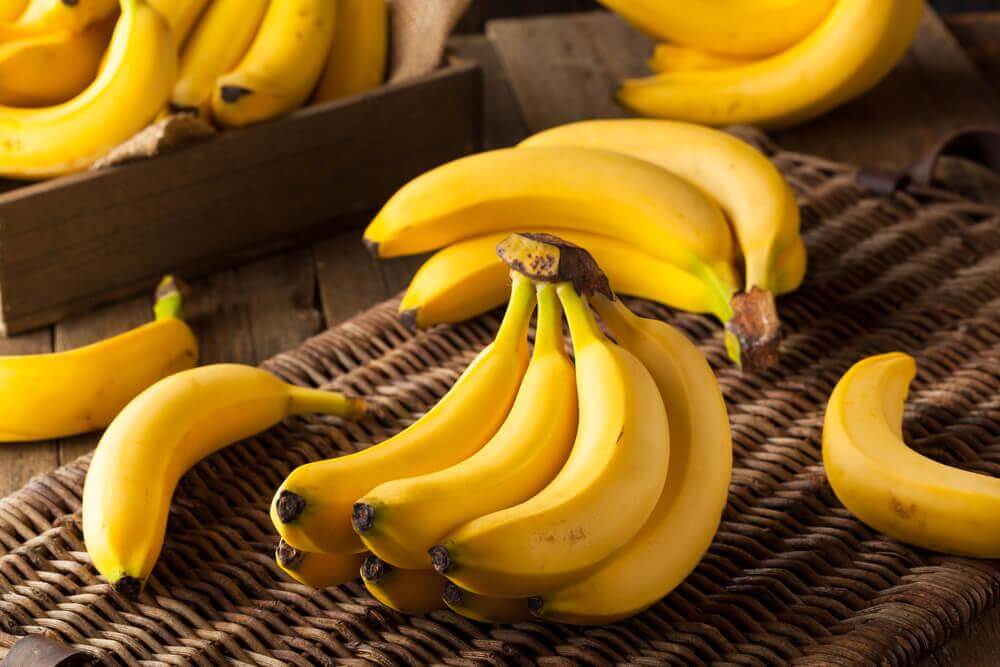
- First of all, their natural sugars help increase energy levels which increases the feeling of vitality.
- Plus, their high tryptophan content makes them one of the best foods for adequate serotonin production.
- In addition, they contain B vitamins and antioxidants. Once your body absorbs them, they regulate the processes of the nervous system.
Are you feeling low? Are you going through a depressive episode? If so, try eating these foods. They’ll balance your hormone production, which will help you feel better.
All cited sources were thoroughly reviewed by our team to ensure their quality, reliability, currency, and validity. The bibliography of this article was considered reliable and of academic or scientific accuracy.
- Fusar-Poli L, Vozza L, Gabbiadini A, Vanella A, Concas I, Tinacci S, Petralia A, Signorelli MS, Aguglia E. Curcumin for depression: a meta-analysis. Crit Rev Food Sci Nutr. 2020;60(15):2643-2653. doi: 10.1080/10408398.2019.1653260. Epub 2019 Aug 19. PMID: 31423805.
- Liao Y, Xie B, Zhang H, He Q, Guo L, Subramaniapillai M, Fan B, Lu C, Mclntyer RS. Efficacy of omega-3 PUFAs in depression: A meta-analysis. Transl Psychiatry. 2019 Aug 5;9(1):190. doi: 10.1038/s41398-019-0515-5. PMID: 31383846; PMCID: PMC6683166.
- Serefko A, Szopa A, Poleszak E. Magnesium and depression. Magnes Res. 2016 Mar 1;29(3):112-119. doi: 10.1684/mrh.2016.0407. PMID: 27910808.
This text is provided for informational purposes only and does not replace consultation with a professional. If in doubt, consult your specialist.