7 Reasons to Eat Quinoa
Quinoa is great for you in so many ways. Plus, since it doesn’t have any gluten, it works for all types of diets, whether in seed form or as sprouts.
Have you tried quinoa? You’ve probably noticed that quinoa has become quite popular in recent years. What you may not know is that there are some very good reasons for its popularity.
Some say gluten-free diets are good for health. One of the best foods for those who have gluten intolerance is quinoa.
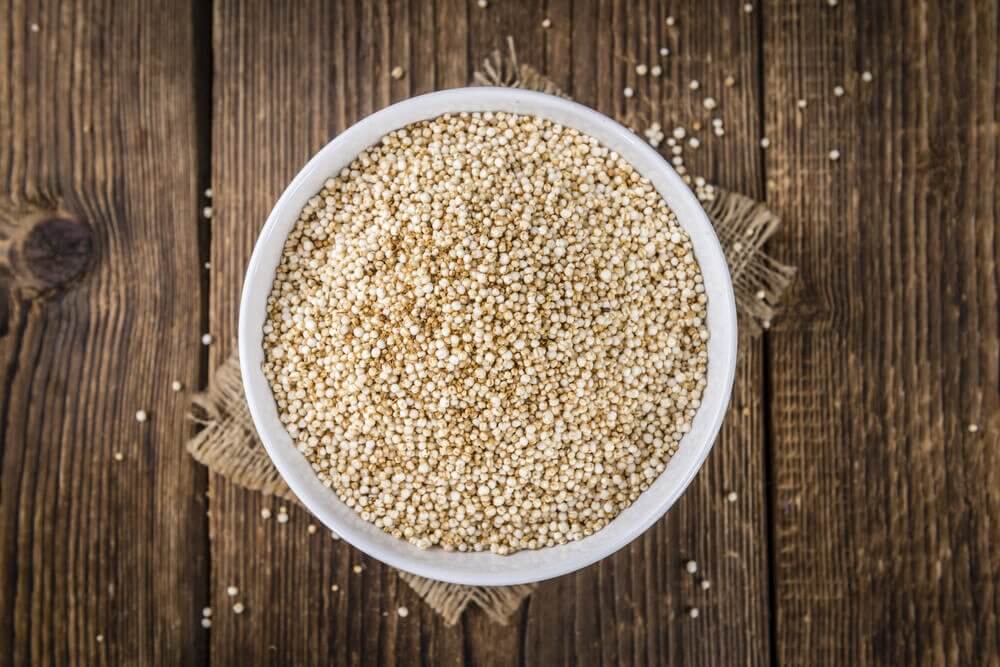
You can consume quinoa seeds as a substitute for rice in any of its colors (red, white and black). If you want to get the most out of it, you can also consume its leaves. You can use them just like spinach, and all you have to do is sow some seeds.
The composition of quinoa
Quinoa is made of complex carbohydrates. Each 100 grams of quinoa gives you:
- 16 grams of protein
- 15 grams of insoluble fiber
- 200 calories
- 39 grams of carbohydrates
- 4 grams of fat
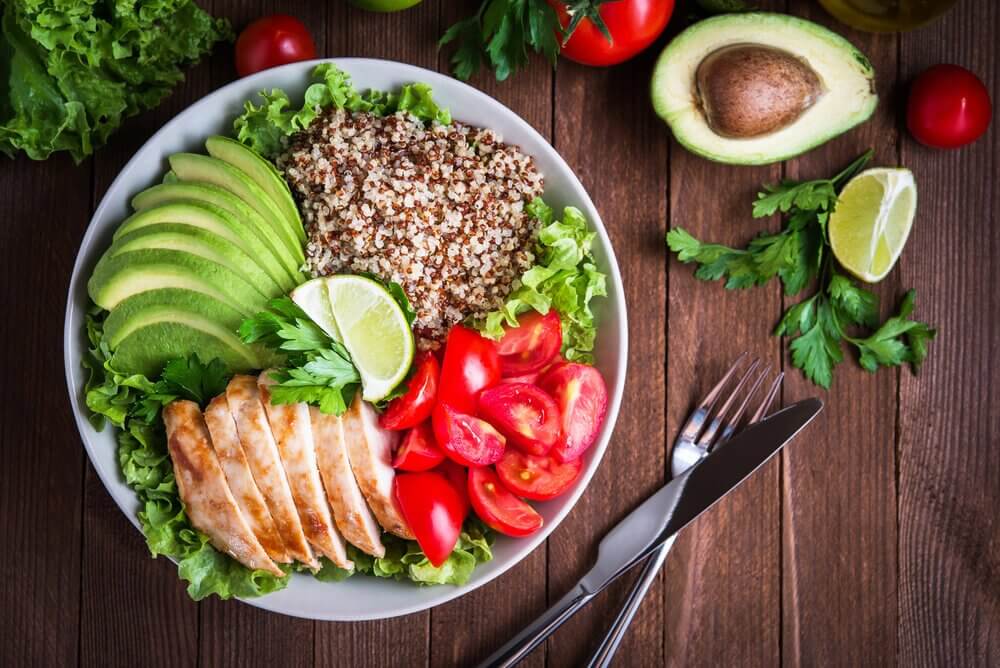
This translates into a very filling food that contributes to keeping your weight low. In addition, its texture is perfect for satisfying cravings for pasta or rice.
In addition to the above, this plant is rich in:
- Minerals (magnesium, zinc, iron, potassium, calcium, phosphorus)
- Vitamins (B complex, E)
- Omega-3 and 6 fatty acids
We recommend you read: Why You Should Eat Quinoa
1. It helps you lose weight
2. It’s rich in antioxidants
Antioxidants are extremely important for good health. The reason is that they fight free radicals, and these elements accelerate the aging process and contribute to the development of arthritis, Alzheimer’s disease, and cancer.
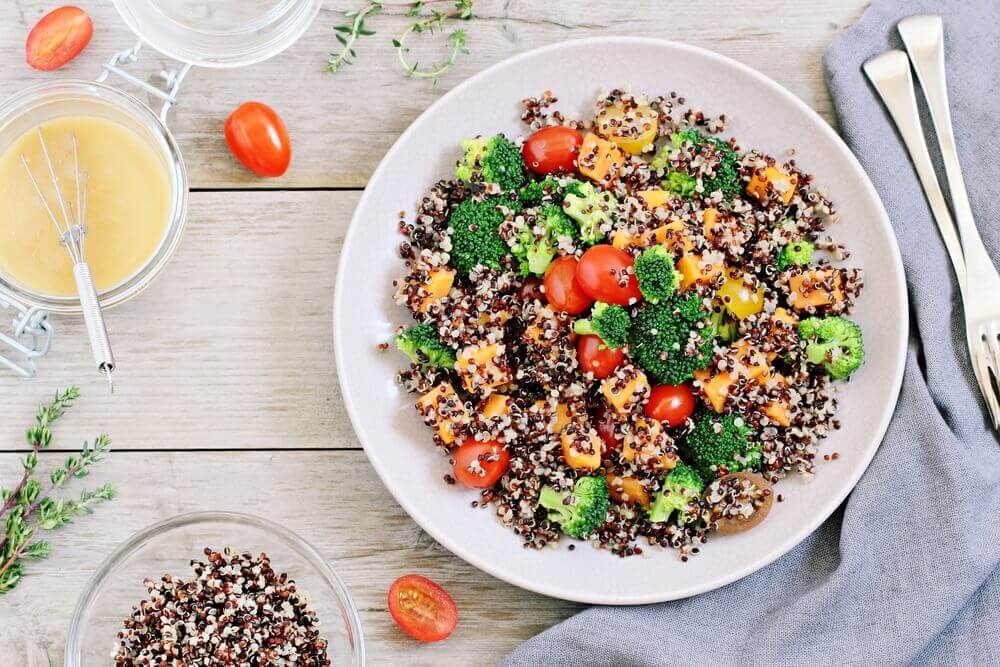
Quinoa contains a large amount of antioxidants. The part of the plant richest in these compounds are the sprouts, so if you have the chance, add some to your salads.
3. It’s high in fiber
- Frequent constipation
- Cardiovascular problems, such as high blood pressure or low blood pressure
- Hemorrhoids
Diets high in fiber also help keep your glucose levels stable. So, if your doctor has told you that you have prediabetes or diabetes, we recommend eating quinoa instead of pasta or rice.
Read also: 3 Awesome Quinoa Recipes You’re Going to Love
4. It’s perfect for people who are gluten intolerant
People intolerant to gluten may have trouble eating a varied diet. However, one solution is to eat quinoa regularly. It works just as well as corn or potatoes.
In fact, in large stores you can even find it made into pasta substitutes. They are delicious and practical like regular pasta but won’t cause health problems.
5. It’ll keep manganese levels up
6. It provides iron
We already know that iron is essential for your body. It helps in important functions, like the creation of hemoglobin and the distribution of oxygen via your bloodstream.
Therefore, eating foods rich in iron is crucial, and this plant is a great option. To keep you from getting bored of it, remember that you can consume the sprouts and leaves as well. Add them to your salads along with or in place of spinach.
7. It has a high quantity of magnesium
- Muscle spasms
- Heart problems
- Diabetes
- Migraines
- Osteoporosis
- High blood pressure
If this food hasn’t been a part of your life yet, now you have some reasons to try it. The truth is that it’s easy to cook and goes with almost anything. It’s easy to love!
All cited sources were thoroughly reviewed by our team to ensure their quality, reliability, currency, and validity. The bibliography of this article was considered reliable and of academic or scientific accuracy.
- Warrilow A, Mellor D, McKune A, Pumpa K. Dietary fat, fibre, satiation, and satiety-a systematic review of acute studies. Eur J Clin Nutr. 2019 Mar;73(3):333-344.
- Reynolds AN, Akerman AP, Mann J. Dietary fibre and whole grains in diabetes management: Systematic review and meta-analyses. PLoS Med. 2020
- Cao Y, Zhen S, Taylor AW, Appleton S, Atlantis E, Shi Z. Magnesium Intake and Sleep Disorder Symptoms: Findings from the Jiangsu Nutrition Study of Chinese Adults at Five-Year Follow-Up. Nutrients. 2018 Sep 21;10(10):1354
This text is provided for informational purposes only and does not replace consultation with a professional. If in doubt, consult your specialist.